8 Interior Design Trends That Will Look Outdated by 2029 (and What to Do Instead)
TL;DR
Many current interior trends, like all-white interiors, heavy bouclé, and fast furniture, are fading fast. Learn what makes these styles age poorly and how to correct common spatial, scale, and layout mistakes for a more lasting, functional home.
Why Today’s ‘It’ Looks Are Tomorrow’s Mistakes
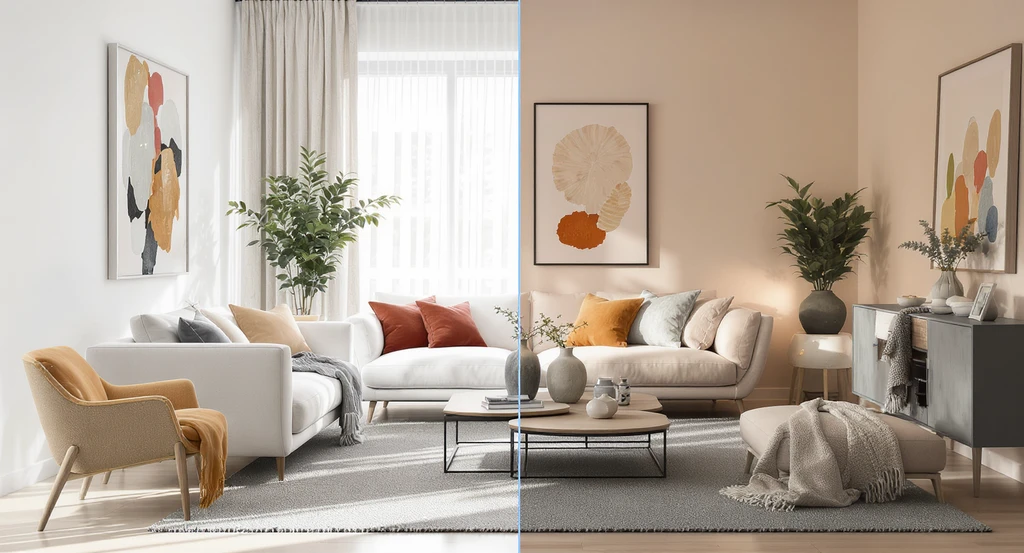
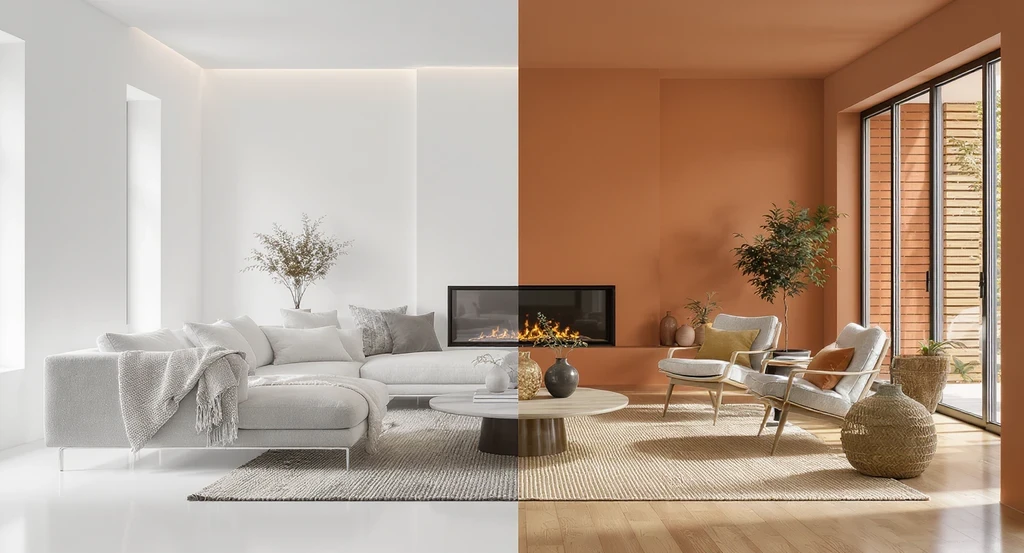
A photorealistic comparison of an all-white, sterile interior and a cozy, richly layered room—showing how to visualize interior design changes, preview paint and decor choices, and use the best tools to picture room makeovers for timeless style.
Design trends evolve quickly, but not all finishes stand the test of time. From all-white interiors to fleeting furniture fads, some styles make homes look outdated sooner than expected. In the next several years, spaces that feel sterile, generic, or trend-driven are giving way to warmer, richer, and more personal rooms. Recognizing which trends are losing steam, and knowing how to update them, helps you avoid costly do-overs and, instead, create lasting comfort. As we explored in our guide to 2025 interior design trends, layering personal meaning and thoughtful color is replacing the generic, one-size-fits-all approach. Below, you’ll find eight popular trends that will likely feel dated by 2029, plus structured corrections that improve comfort, layout, and style.
-
Design Concept: The Trend Half-Life Principle
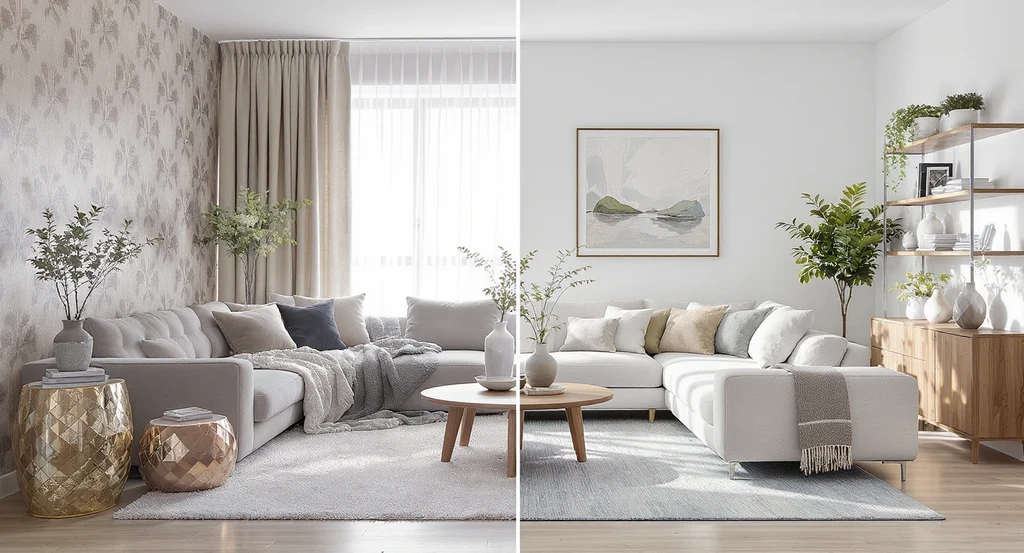
Design Concept: The Trend Half-Life Principle Image
The Trend Half-Life Principle suggests that every design trend has a shelf life, the period after which it starts to feel dated. Fast-moving, social-media-driven aesthetics often fade out within 5–7 years, while materials rooted in timeless design traditions, such as natural wood, stone, or authentic craftsmanship, remain visually relevant for decades. When considering a new trend, always ask: Is this relying on a short-lived look or on lasting principles like proportion, authentic materials, or functional layout? Thinking in half-lives helps you balance novelty with longevity and avoid style regret.
-
01. All-White Kitchens and Interiors: The Sterility Trap
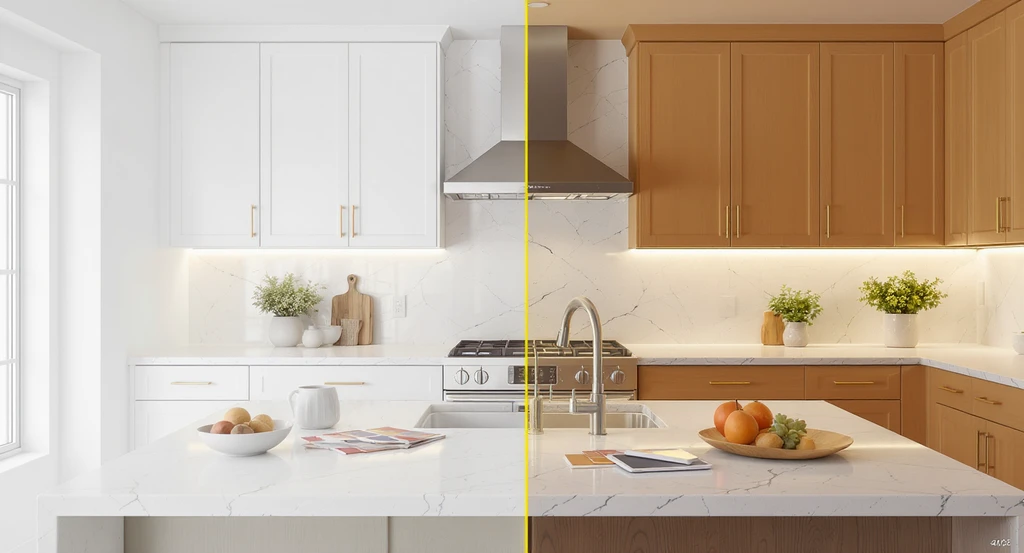
See how to visualize interior design changes—preview paint and decor choices digitally to avoid common layout visualization mistakes in all-white kitchens.
All-white interiors were once seen as the standard for freshness and cleanliness. Now, they risk creating spaces that feel cold and impersonal, especially when natural light is limited or when paired with mass-produced furniture.
This occurs because homeowners often select white for its perceived 'safe' aesthetic, overlooking factors like window direction, natural light, and a room’s actual uses. Over time, such choices lead to spaces that lack depth or comfort.
- Correction: Layer in color, use mid-tones, deeper hues on cabinetry, trim, or feature walls to break up the monotony. Assess natural light before committing; north-facing spaces especially benefit from warmer neutrals. If you struggle to picture the change, preview paint swatches digitally or use virtual rendering tools to simulate color shifts and layout balance, as seen in our guide to timeless interiors.
-
02. Excessive Bouclé and Oversized Curves: Overloaded Texture
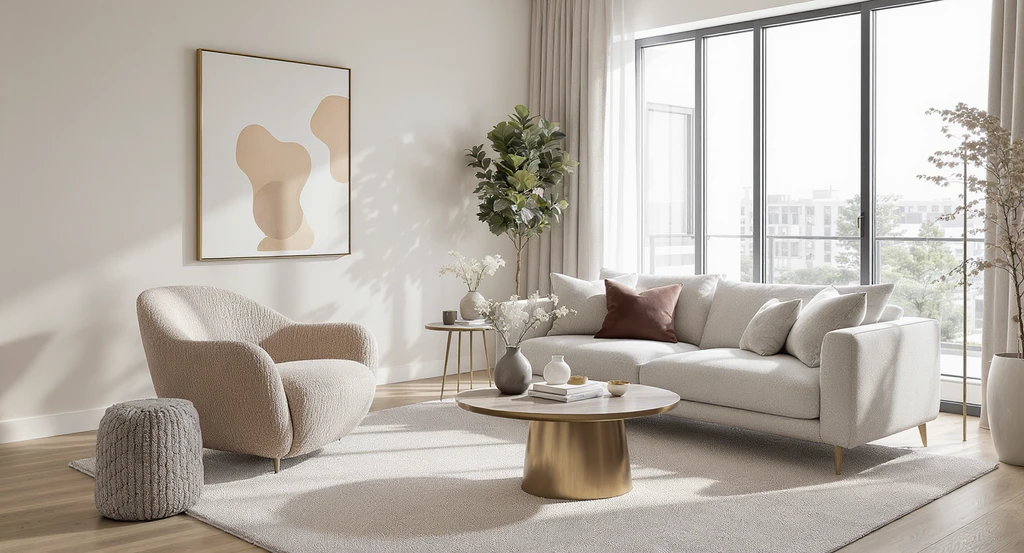
To avoid common layout mistakes, mix one standout bouclé piece with flat-weave seating and maintain clear 36-inch walkways for interior design balance.
Heavy bouclé fabrics and exaggerated curvy furniture were recent favorites, but quickly overwhelm most rooms, especially smaller spaces, by interrupting flow and making seating feel overly bulky.
This happens when rooms overuse one high-profile element, leading to visual imbalance and limited walkways.
- Apply the Visual Balance Rule: Limit bouclé or standout curves to a single piece per seating area. Mix with flat-weave or smooth textiles for contrast.
- Maintain a minimum walkway of 36 inches around major furniture to keep circulation open and avoid crowding, as shown in recent trend assessments.
-
03. Fast Furniture and Generic Minimalism: Disposable Design
03. Fast Furniture and Generic Minimalism: Disposable Design Image
Flat-pack and fast furniture may be affordable, but it ages a room quickly and rarely offers lasting comfort or character.
This mistake is common when quick makeovers prioritize low price over quality or scale, resulting in too-small or too-bulky pieces that create a generic, mismatched look.
- Prioritize replacing one or two key items with higher-quality secondhand or vintage finds.
- Use the Focal Zone Guideline: Furniture anchors (like sofas or tables) should be about two-thirds the width of the seating area.
- Add meaning with functional heirlooms, local art, or unique accents, these offer comfort as well as lasting style. As industry reports from Zillow and Houzz show, homeowners today increasingly invest in durable, character-driven pieces over disposable trends.
-
04. Painted or Wallpapered Accent Walls: Disruptive Focal Points
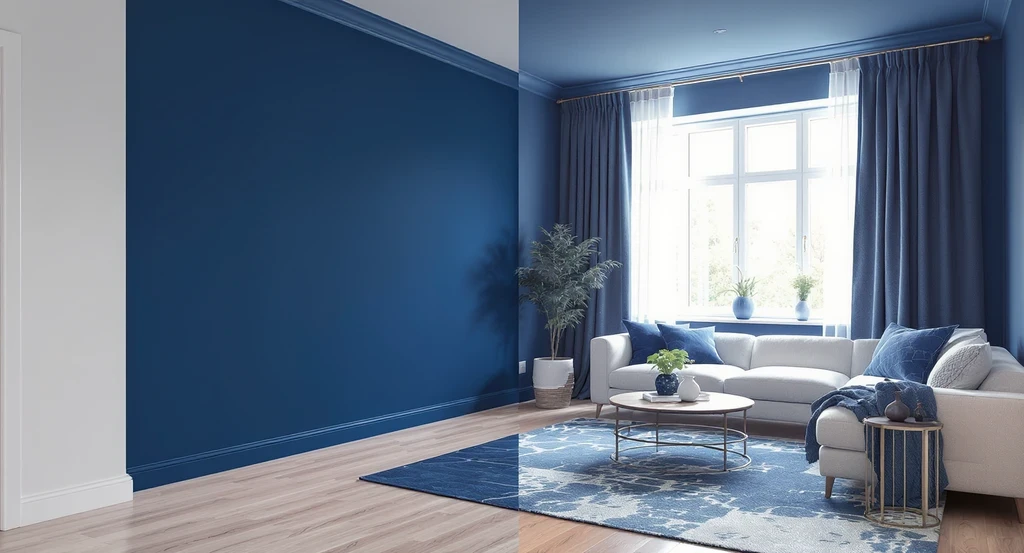
An abrupt painted accent wall disrupts sightline continuity, demonstrating how to preview interior design changes and avoid common layout visualization mistakes.
Accent walls, often painted or wallpapered in bold colors, were intended to add interest but instead disrupt the rhythm of a room and can leave spaces feeling unfinished.
The issue arises when focus is placed on one wall, creating visual fragmentation, especially in open layouts. Interior designers often follow the Sightline Continuity Rule: the best rooms support a natural eye flow through color, proportional balance, and repetition, not an abrupt material change on one plane.
- Try color drenching, carry your main wall color over trims and doors for a wrapped, cohesive effect.
- If you want contrast, repeat your accent color in textiles, art, or rugs for continuity.
- For more cohesive correction logic, see our recommendations for updating fading trends.
-
05. Light Oak and Washed Woods: The Washed-Out Surfaces Issue
05. Light Oak and Washed Woods: The Washed-Out Surfaces Issue Image
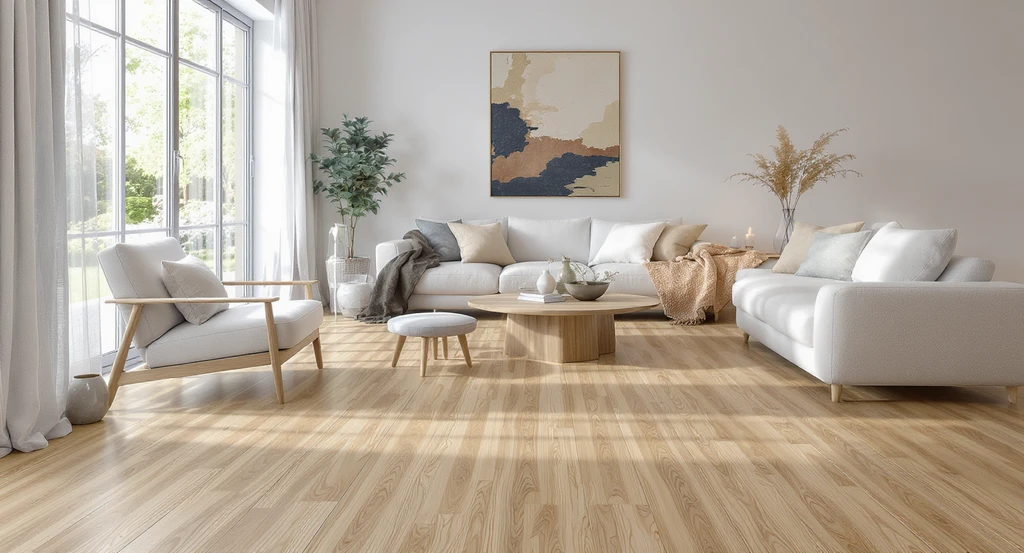
Whitewashed and pale oak surfaces, once a go-to for brightness, now often leave rooms looking flat and indistinct, especially if applied to floors, furniture, and cabinets all at once.
When everything shares the same light tone, rooms lose depth and hierarchy. The Material Depth Principle holds that spaces feel richer when materials are varied in color and saturation, creating zones.
- Mix in medium or dark woods (walnut, cherry) or painted finishes for contrast.
- If you must keep pale floors, add visual weight with rugs, furniture in deeper tones, or artwork.
- These adjustments restore contrast and zonal definition, as further detailed in our analysis of incoming and outgoing finishes.
-
06. Modern Farmhouse and Exposed Shiplap: Context Loss

Compare modern farmhouse overuse—like shiplap and barn doors—with updated, context-aware choices: paneling, wainscoting, and pocket doors. Use these tips to visualize smart interior design changes and avoid mismatched room makeovers.
Modern farmhouse details like shiplap and barn doors have been overapplied, often without regards to the home's context.
This happens when rural or industrial elements are forced into suburban or city settings without adaptation, resulting in a mismatched and artificial look.
- Use paneling or textural wall elements only where they harmonize with the home’s bones, such as classic wainscoting in older homes.
- Replace barn doors with pocket or traditional doors for better privacy and improved floor space usage, as we discuss in our breakdown of timeless and tacky trends.
- For a modern feel, pair a textural accent wall with deep, moody paint or dark iron details, never overuse shiplap or faux barn attributes.
-
07. Gray LVP and Faux Marble: Cool-Toned Traps
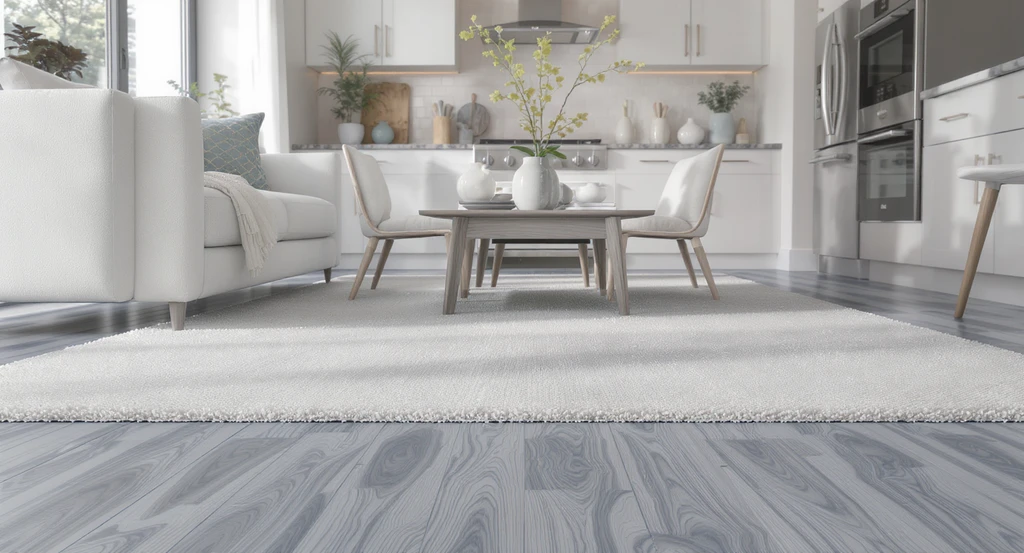
07. Gray LVP and Faux Marble: Cool-Toned Traps Image
Gray luxury vinyl plank flooring and strong-veined faux marble surfaces quickly signal a specific renovation era and can feel artificial in large doses.
This mistake emerges when cool, artificial surfaces are installed wall-to-wall without natural counterbalances, making rooms appear cold and dated.
- Bring in authentic materials, real stone, small-batch tile, or natural wood transitions.
- If replacing floors isn’t possible, lay down area rugs in warm, muted tones to soften the palette.
- Use the Material Transition Rule: move away from hard-edged, synthetic textures towards layered, organic finishes for longevity, echoed by trends in our rundown of fading surfaces.
-
08. Harsh Wafer Lighting: Ignoring Lighting Layers
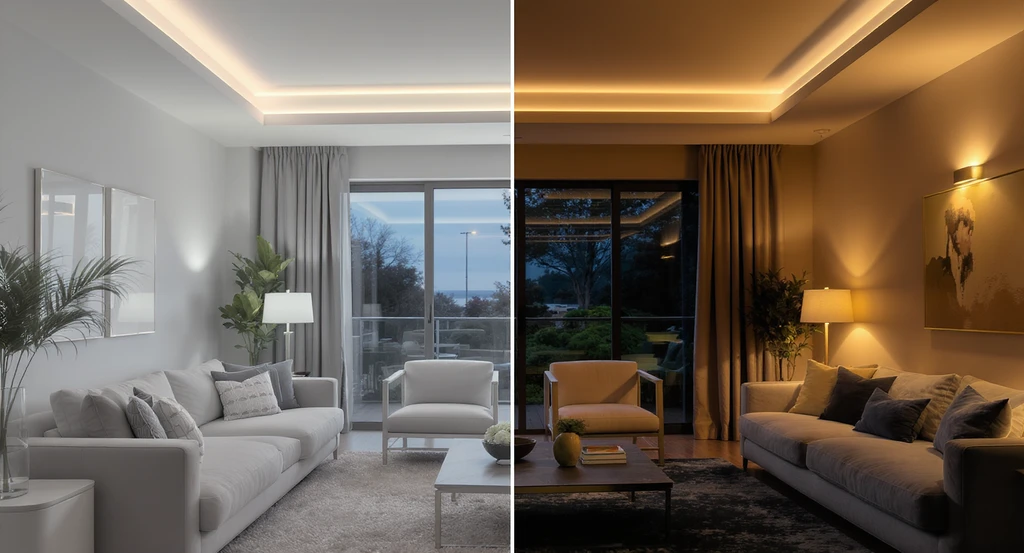
Preview the difference that layered home lighting design makes—compare harsh, uniform wafer ceiling LEDs against a balanced three-layer lighting setup to better visualize interior design changes.
Wafer-thin ceiling LEDs became popular for their minimal look, but overreliance on this lighting flattens atmosphere and makes rooms feel harsh or clinical.
Poor lighting planning often leads to uniform glare and imbalanced shadow, especially when no ambient or accent sources are included.
- Adopt the Three-Layer Lighting Framework: combine ambient (overhead) with task (reading, kitchen preparation) and accent (wall sconces, art lamps) sources.
- Keep overheads on dimmers and supplement with warmer lamps or under-cabinet LEDs, providing flexibility for different times of day or activity. For comprehensive guidance, see our advice on layered lighting.
-
Comparison Table: Outdated Trends and Timeless Corrections
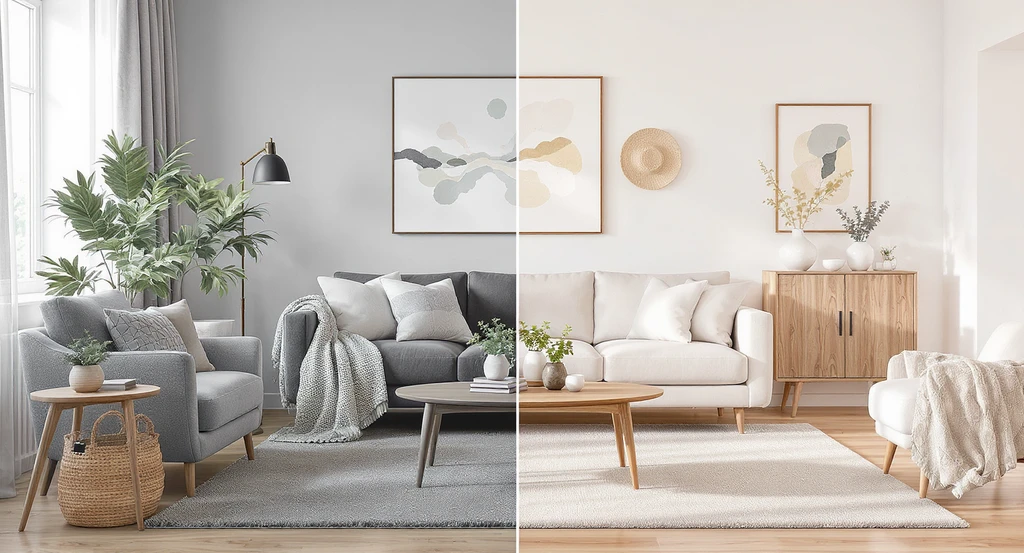
Comparison Table: Outdated Trends and Timeless Corrections Image
Outdated Trend Why It Ages Quickly Timeless Alternative All-white kitchens Lacks depth and warmth Layered neutrals and wood tones Bouclé overload Bulky texture and poor scale Mixed upholstery textures Gray LVP flooring Artificial cool tone Natural wood or warm stone Accent walls Visual imbalance Color drenching or layered palettes Fast furniture Disposable and generic Vintage or high-quality statement pieces -
Quick Design Rules to Avoid Trendy Interiors
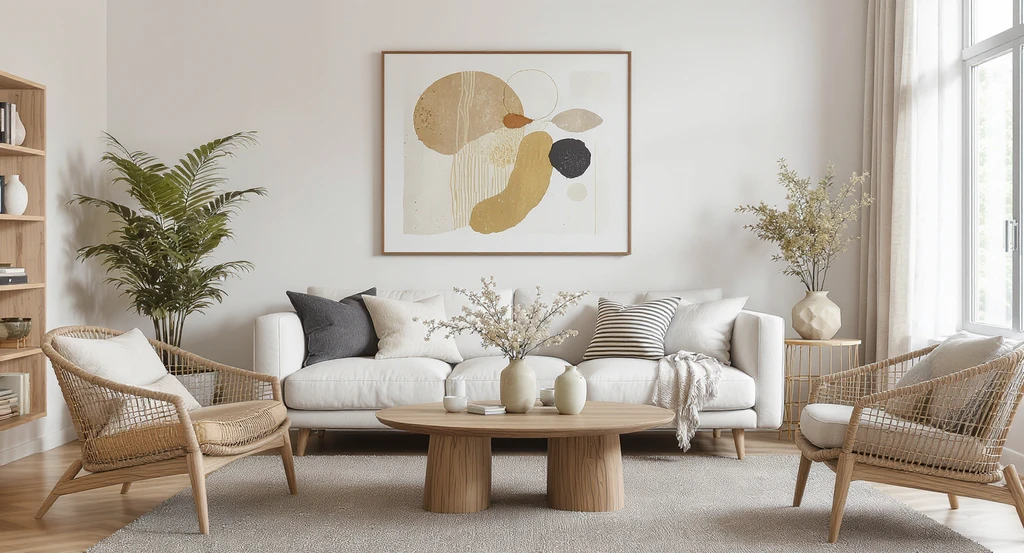
Quick Design Rules to Avoid Trendy Interiors Image
- Maintain at least 36 inches of walkway clearance around key furniture.
- Limit to one dominant texture per seating area.
- Balance illumination with three-layer lighting (ambient, task, accent).
- Avoid repeating the same material across every surface.
- Choose authentic, durable materials over synthetic imitations where possible.
Apply these rules to any room. For even more layout guidance, read our guide to common layout mistakes and timeless solutions.
FAQs About Fading Interior Design Trends
- How can I tell if my room is too trend-driven?
- If your space relies on one major style or repeated material, or if it looks like many recent real estate listings, it's probably heavy on trends. Consider adding personal, character-rich pieces and varied finishes.
- What’s the first step to update an all-white kitchen?
- Add warmth with richer paint on walls, deeper countertops, or a mix of metal finishes. Painting cabinets or swapping pulls can offer instant depth.
- Is small-scale furniture always better?
- No. Always measure your walkway spaces and main seating zones. Furniture should fit how the room functions—aim for at least 36 inches of open pathway.
- How do I fix a room with only wafer lights?
- Add table or floor lamps, wall sconces, and under-cabinet lighting. Layer your sources and use dimmers for a comfortable effect.
- Are dark, moody colors just another fleeting trend?
- Used with balanced materials and layered lighting, rich colors feel timeless—not trendy. Pair with authentic wood for depth.
How to Build for Comfort and Longevity
Outdated trends usually trace back to sacrificing spatial logic or proportion in favor of fleeting styles. Future-proof your home by choosing varied, authentic materials, layering rich colors, and planning layouts that support natural flow. As we discuss in all our ongoing reviews, quality, functionality, and thoughtful visual balance always outlast fast-moving trends in interior design. Timeless interiors rarely come from chasing popularity, they emerge from careful choices, balanced materials, and lighting that supports how people actually live and move through their homes.