7 Mistakes to Avoid When Placing a Trash Can in a Small Kitchen
TL;DR
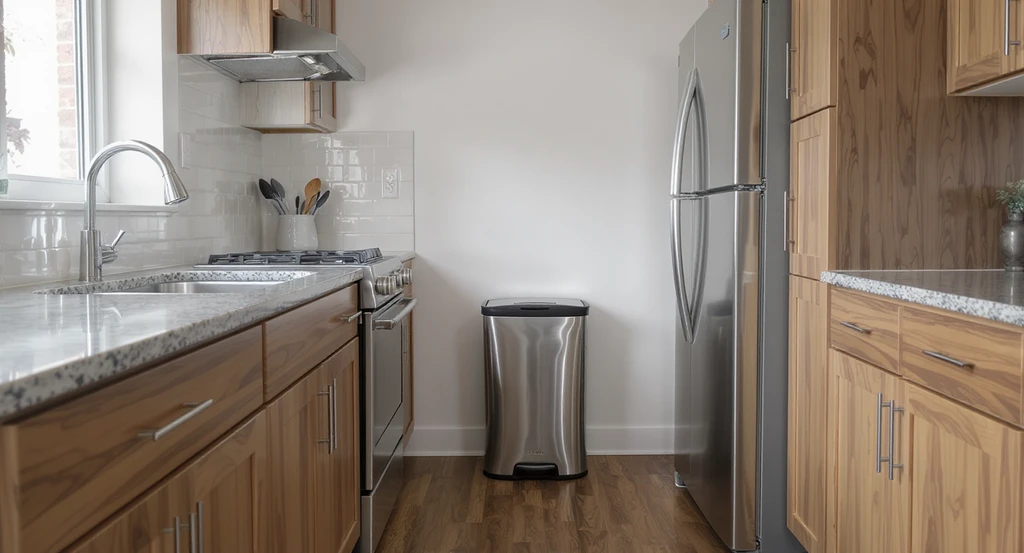
Placing a trash can in a small kitchen is about more than just hiding it. Learn how to avoid common mistakes, maximize flow, and keep the bin accessible and discreet.
How to Get Trash Can Placement Right in Compact Kitchens
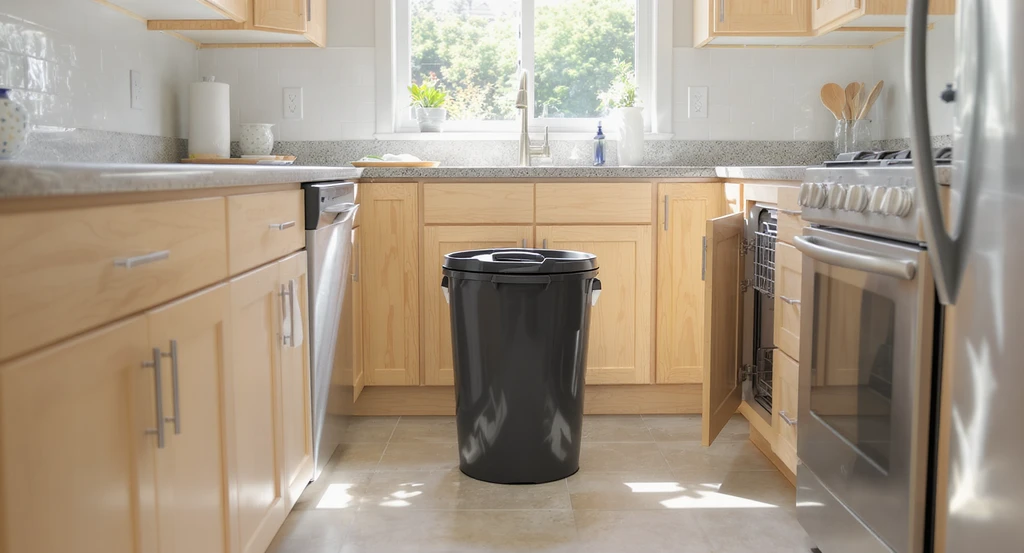
Kitchen trash can placement ideas often overlook flow—see mistakes to avoid with trash can location in small kitchens for better organization and function.
Finding the right spot for a trash can in a small kitchen often feels like a puzzle with no perfect answer. In limited space, even minor placement errors can block access, disrupt prep areas, or make the kitchen less welcoming. Instead of hiding the bin in the nearest corner, it’s important to think in terms of kitchen flow, clearance, and use. The following guide breaks down the most common trash can placement mistakes and offers step-by-step improvements for a more functional and practical kitchen.
-
Design Concept: Understanding the Kitchen Workflow Triangle
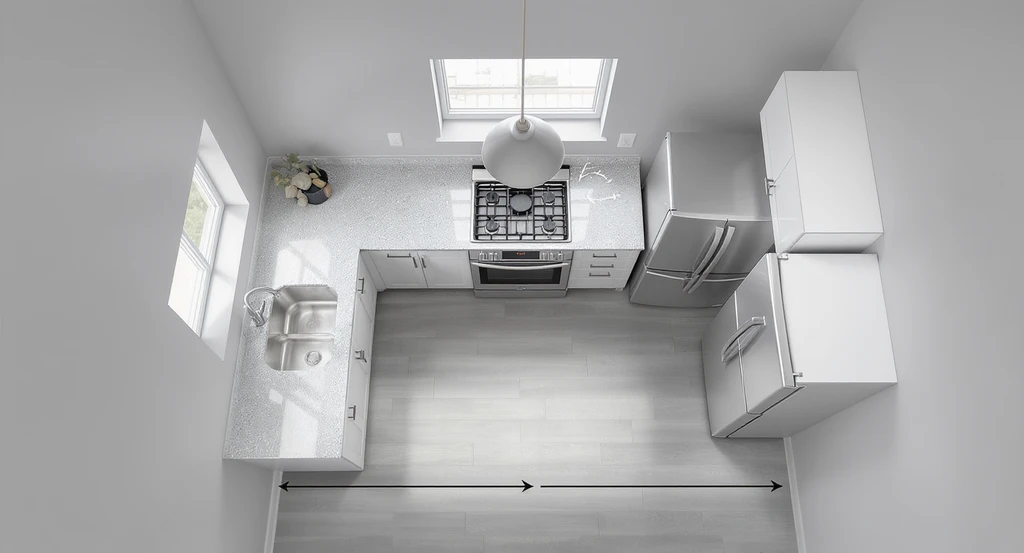
Design Concept: Understanding the Kitchen Workflow Triangle Image
Efficient kitchen design often uses the Kitchen Workflow Triangle: the relationship between the sink, stove, and prep area. Positioning the trash can close to the sink or prep zone makes it easy to discard waste during cooking or cleaning, minimizing unnecessary movement. However, if the bin sits directly in the path between these main zones, it disrupts flow and adds congestion, particularly problematic in a compact kitchen. Place the trash can so it’s comfortably near where waste is created, without interfering with the main triangular pathway. This principle can guide even the smallest layouts toward both efficiency and order.
-
01. Blocking Traffic Flow or Access Points
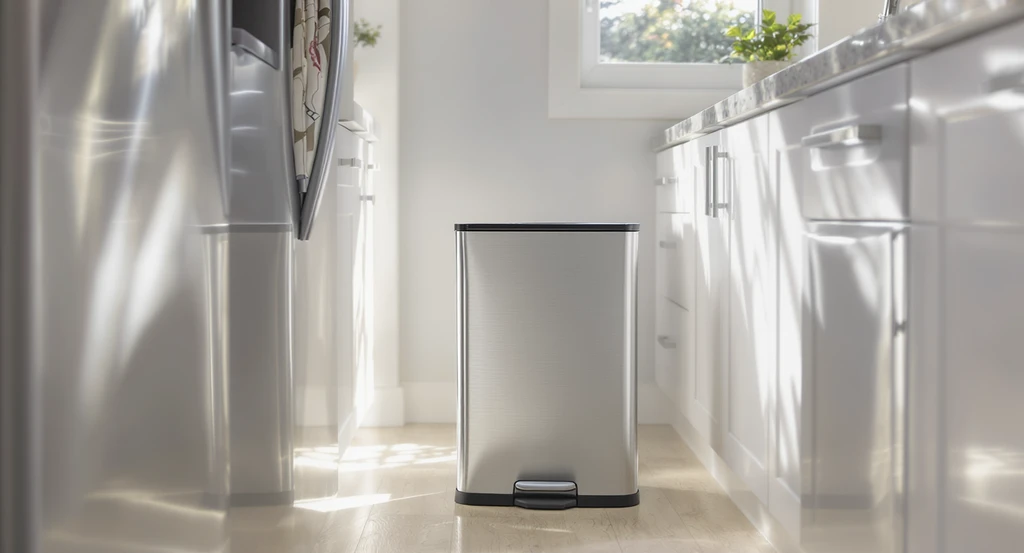
Avoid mistakes with kitchen trash placement by choosing the best slim trash cans for small kitchens and leaving at least 24–30 inches of clearance. See where to put a trash can in a small kitchen to keep walkways and appliance access open.
Blocking walkways, doors, or appliance access with the trash can is a frequent mistake in small kitchens. Often, the bin is squeezed into the nearest empty spot, but this can make opening appliances awkward and disrupt foot traffic.
To prevent this, always maintain at least 24–30 inches of clearance around the trash can area. Test that fridge, oven, and dishwasher doors can open fully without hitting the bin. When space is very tight, choose a slim, rectangular can and position it along a run of cabinetry instead of in a pinch point. For tricky or awkward nooks, see these strategies for maximizing challenging spaces.
-
02. Placing the Bin Too Close to Eating or Prep Zones
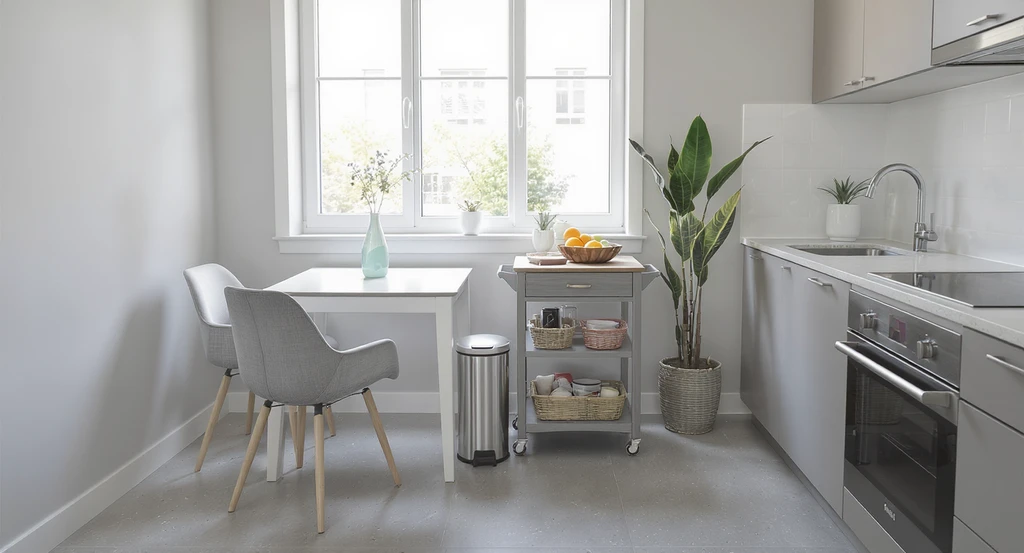
Discover where to put a trash can in a small kitchen: smart placement ideas use a slim bin and visual dividers, showing how to hide trash can in apartment kitchens and avoid common mistakes.
Locating the trash can directly beside dining or main prep areas often feels convenient but introduces hygiene problems and visual discomfort. Smells or spills can interfere with meals, and a conspicuous bin can undermine a tidy appearance.
Keep the bin at least one chair’s width away from dining areas. Use cabinetry or a freestanding cart as a divider, or even a tall plant for separation. As discussed in our apartment storage guide for small spaces, even small layout shifts and visual dividers make a significant difference in keeping shared areas comfortable and cohesive.
-
03. Choosing a Bin Size or Shape That Doesn't Fit
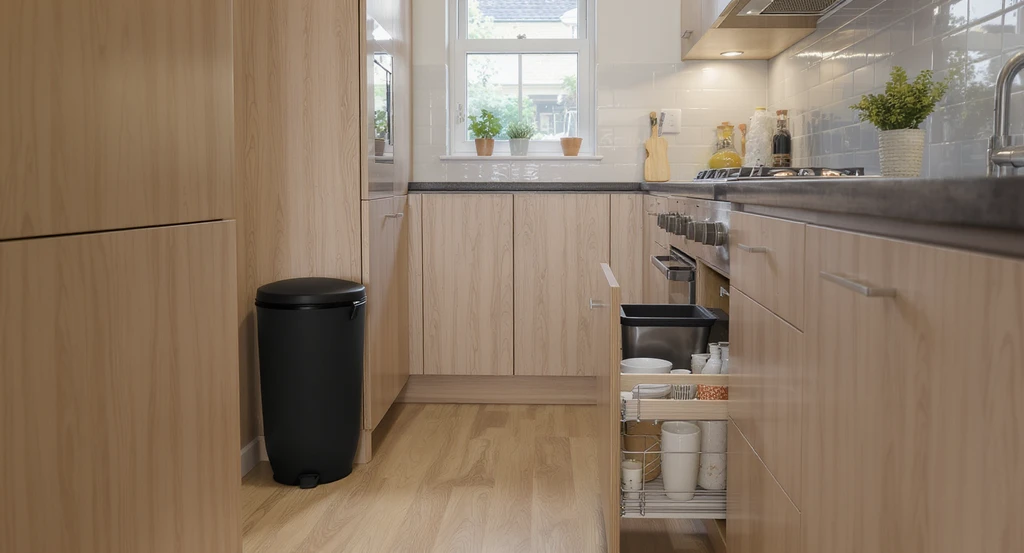
Choosing a slim, rectangular bin or a pull-out trash can under the sink is among the best kitchen trash can placement ideas for small kitchens. Where to put trash can in small kitchen and mistakes to avoid with kitchen trash placement depend on carefully measuring and fitting the right size and shape in available spaces.
Selecting a trash can based only on style or volume, without careful measurement, is a common pitfall. Oversized bins occupy too much floor space, while round cans in galley kitchens waste precious inches.
Instead, measure your available spot before buying. Opt for slim, rectangular bins in narrow areas. Pull-out or under-sink solutions can help if you have sufficient cabinet space. Be alert for constraints like plumbing or shared cabinet functions. If under-cabinet isn’t feasible, stackable or hanging options are another solution, though they may require more frequent emptying.
-
Types of Trash Cans That Work Best in Small Kitchens
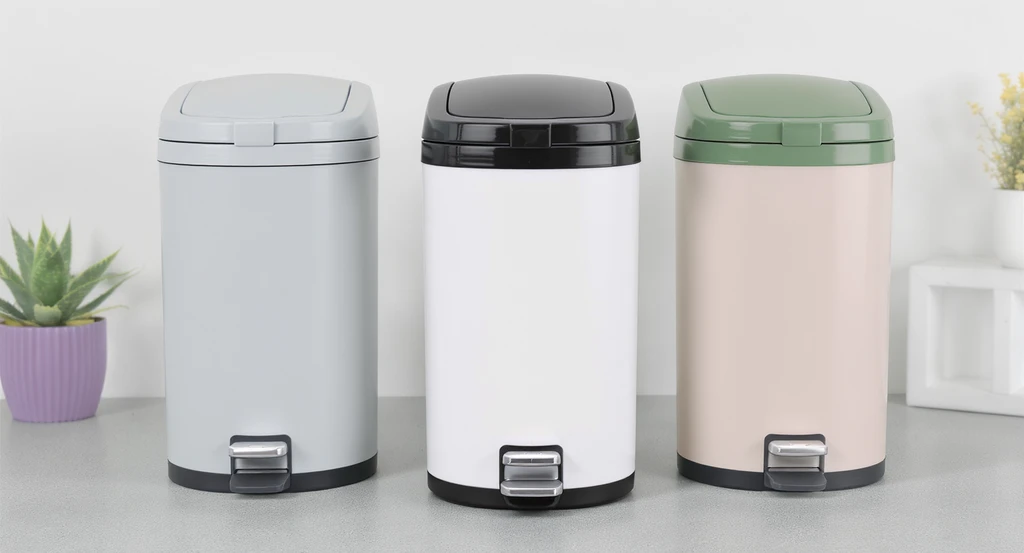
Types of Trash Cans That Work Best in Small Kitchens Image
Trash Can Type Best For Advantages Limitations Pull-out cabinet bin Modern kitchens with spare cabinet space Hidden, clean look, maintains visual balance Requires cabinet modification Slim rectangular bin Narrow kitchens or galley layouts Uses minimal floor space Visible if not styled well Under-sink bin Compact kitchens with open sink cabinets Convenient for food prep cleanup Plumbing may limit space Hanging cabinet bin Rental apartments or temporary setups Inexpensive and easy to install Smaller capacity Bin integrated in island or cart Kitchens with movable furniture Keeps trash discreet and accessible Requires additional furniture Selecting the right trash can style preemptively prevents many layout problems, making placement more flexible and less disruptive.
-
04. Ignoring Vertical Storage and Dual-Purpose Solutions
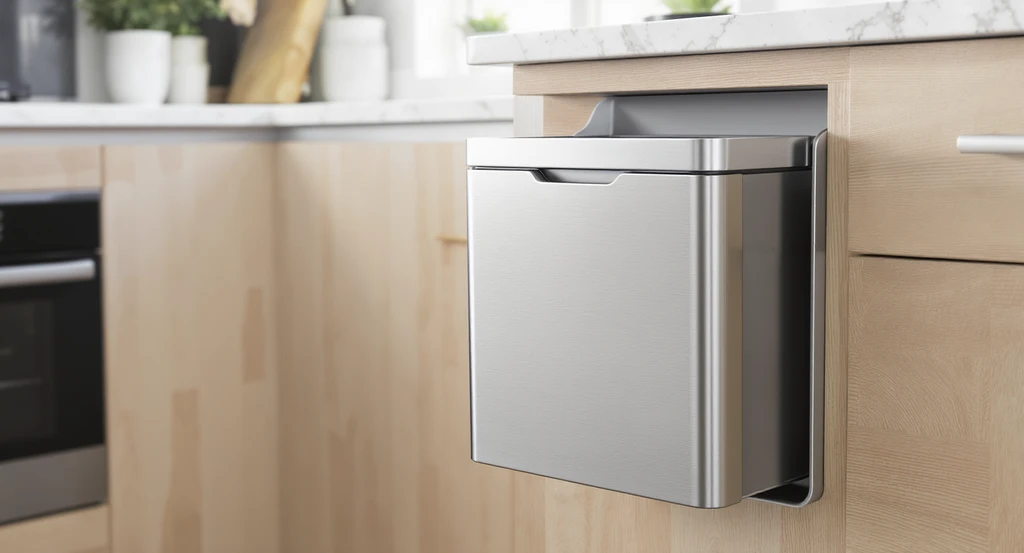
04. Ignoring Vertical Storage and Dual-Purpose Solutions Image
Relying only on floor space for your trash can often wastes potential storage. In small kitchens, overlooking vertical placement or multi-functional furniture leaves usable volume untapped and adds clutter underfoot.
Correction: Consider mounting a slim bin inside a base cabinet or integrating it into an island or movable cart. Hanging or tilt-out solutions on cabinet doors can reclaim space without crowding the walkway. If you’re comparing island or breakfast nook options, see this breakdown for tight kitchen decisions. Always check that placement won’t block major pathways or the opening of appliances.
-
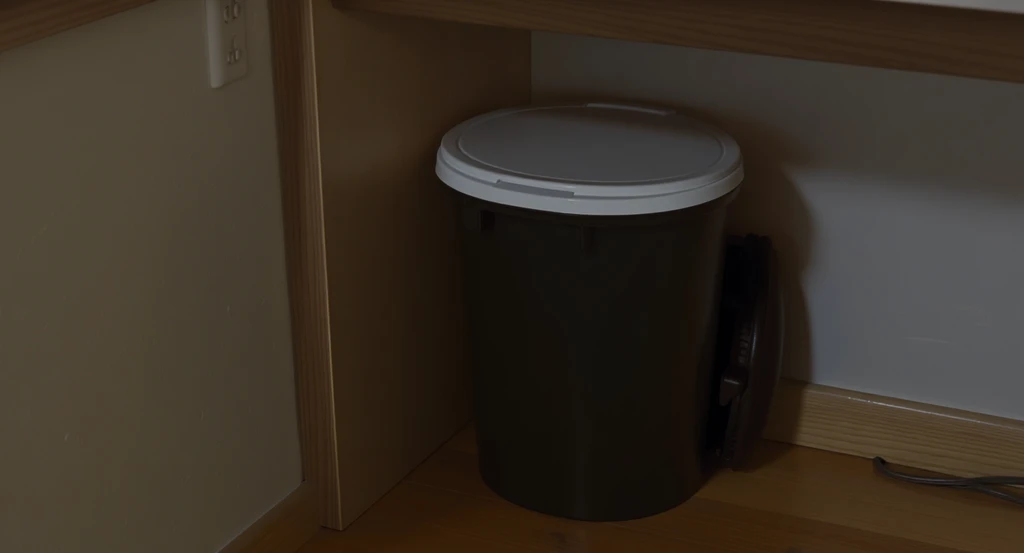
05. Neglecting Lighting and Visibility
05. Neglecting Lighting and Visibility Image
Placing the trash can in a dark or hidden spot often results in difficult cleaning and accidental spills. Concealing the bin is tempting, but totally obscuring it can create maintenance issues in dim corners.
Instead, ensure your trash area receives enough ambient or task lighting. Position the bin along cabinets that get indirect daylight or beneath an under-cabinet light. This boosts visual clarity, makes tosses easier, and keeps the area hygienic.
-
06. Overlooking Visual Balance and Flow
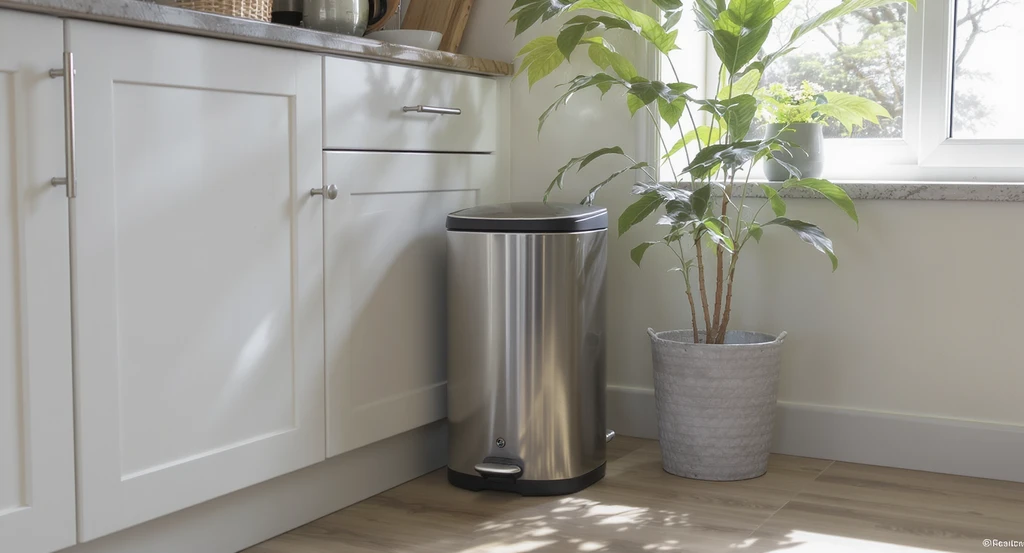
Intentional trash can placement creates visual flow in a small kitchen. See where to put trash can in small kitchen, kitchen trash can placement ideas, and how to hide trash can in apartment kitchen for a balanced layout.
Placing the trash can without considering the kitchen’s visual rhythm or main sightlines is a frequent mistake. When the bin is the first thing seen from the entryway or blocks a focal point, the kitchen feels off-balance.
Apply a Visual Balance Framework: (1) Stand at the kitchen entrance; (2) Identify key sightlines to features like windows or focal walls; (3) Set the trash bin so it neither clashes with nor dominates these views. If the bin is visible, anchor it visually using nearby furniture or a plant to keep the area intentional. For more on balancing function and style in small spaces, explore these small-apartment improvement tips.
-
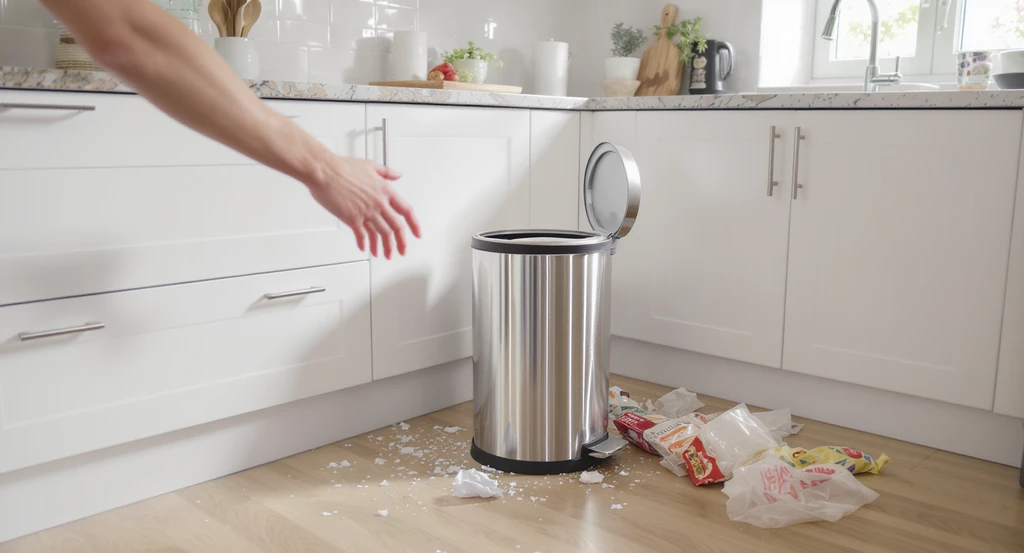
07. Forgetting Practical Use and Movement Patterns
07. Forgetting Practical Use and Movement Patterns Image
Placing the trash can without thinking about daily cooking routines often means it’s either too far from prep space or consistently in the way. Moving furniture or sidestepping the bin disrupts efficiency.
Correction: Observe your typical food prep workflow. Position the bin close enough to discard scraps easily, but outside the path between sink and stove. Pull-out, under-counter, or wheeled bins add flexibility. For extremely tight kitchens, using a small bin emptied more frequently can preserve both accessibility and aesthetics. For inspiration on transforming small, unused kitchen spaces, see this guide on kitchen alcove makeovers.
-
A Practical Example from Small Kitchen Layouts
A Practical Example from Small Kitchen Layouts Image
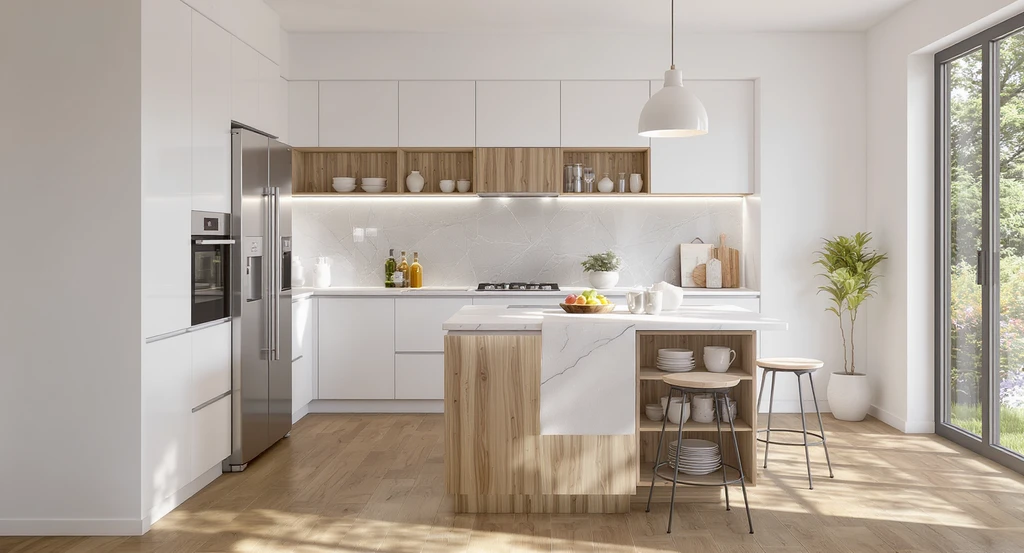
In many narrow galley kitchens, the space under the sink is filled with plumbing or cleaning gear. Instead of struggling to store a bin inside, placing a slim trash can beside the sink cabinet usually works better—it allows for easy scrap disposal during prep and keeps the bin out of the main walkway. Designers recommend this setup because it preserves the workflow triangle between prep, sink, and stove, and minimizes visual clutter. Small adjustments like this often make tight kitchens work significantly better day-to-day.
-
What Designers Usually Avoid When Placing Trash Cans
What Designers Usually Avoid When Placing Trash Cans Image
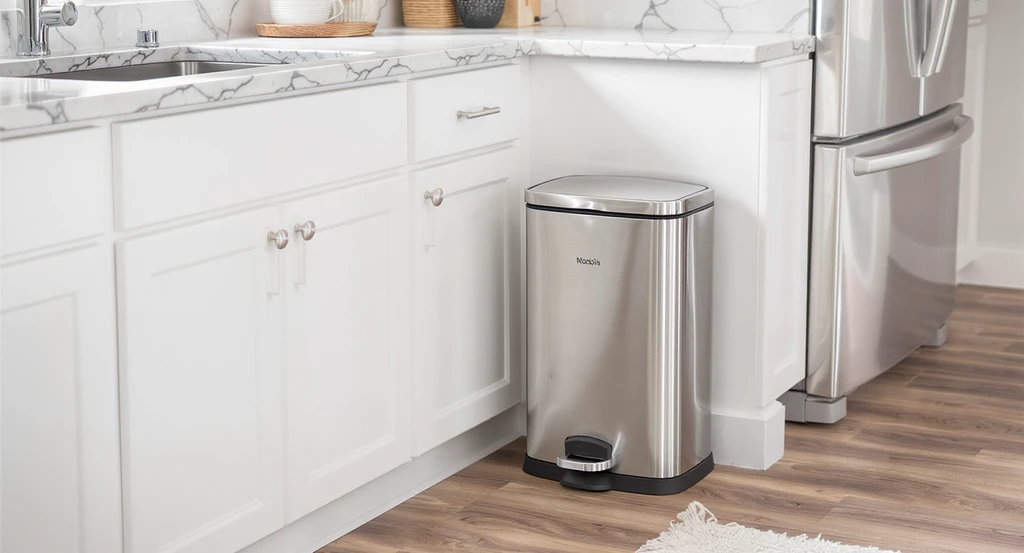
Professional designers carefully avoid trash can placements that disrupt flow or dominate important views. Strategies they typically steer clear of include:
- Directly beside a dining table or seating area
- In the center of narrow walkways
- At the kitchen entry, where the bin is the first thing visible
- Inside dark corners that hide spills
- Near appliances where door swings hit the bin
By avoiding these placements, designers help small kitchens retain both functionality and visual calm.
FAQs on Kitchen Trash Can Placement
- Where is the best place to put a trash can in a small kitchen?
- Near prep areas but away from eating zones and high-traffic paths. Use slim, compact models and explore in-cabinet or cart-mounted bins if possible.
- How do I keep my trash can from being an eyesore?
- Select bins that match your decor or visually "anchor" them with additional furniture or decor. Hiding bins inside cabinets or using tilt-out drawers keeps trash less conspicuous.
- What if my under-sink area is taken up by pipes or appliances?
- Use tall, slim cans alongside cabinets, seek hanging or pull-out options for unused cabinet sides, or consider integrating with a kitchen island or cart. Avoid blocking appliance access or walkways.
- How often should I empty a small trash can?
- Emptying it once a day helps prevent odors and allows you to use smaller, more discreet bins suited for tight kitchens.
- Should the trash can be placed near the sink?
- In most kitchens, placing the trash can near the sink or food prep zone works best because this is where most waste is generated. However, keep the bin outside busy traffic paths to avoid interrupting kitchen movement.
Summary: How to Keep Trash Can Placement Practical and Aesthetic
Effective trash can placement isn’t just about hiding the bin, it’s about balancing clearance, use, and visual order. By following core layout principles like the kitchen workflow triangle and maintaining clearances, even small kitchens can remain efficient and attractive. Choose bins that suit your layout, use vertical and multi-purpose solutions where possible, and keep lighting and daily routines in mind. With small tweaks, the trash can becomes a functional part of the kitchen design instead of a layout obstacle.