Small Bedroom Furniture Mistakes (And How to Make Your Room Feel Bigger)
TL;DR
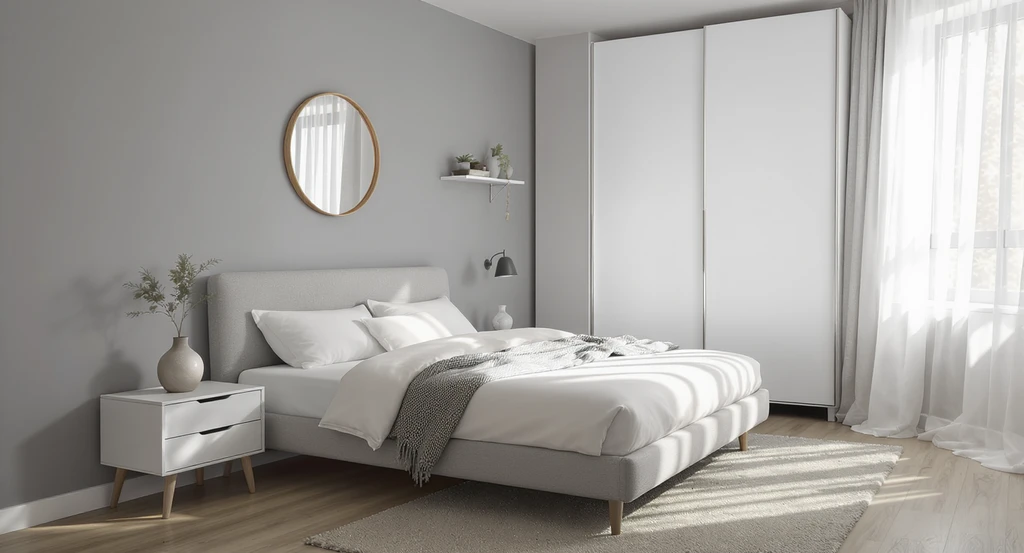
A cramped small bedroom isn’t a sign of insufficient square footage—it’s the result of overlooked furniture mistakes. Avoid common pitfalls such as oversized beds, heavy nightstands, and poor planning to create a more spacious and functional room. Visual planning and measured selection are key to making a small bedroom feel open and restful.
Why Small Bedrooms Feel Cramped And How Furniture Choices Make or Break Comfort
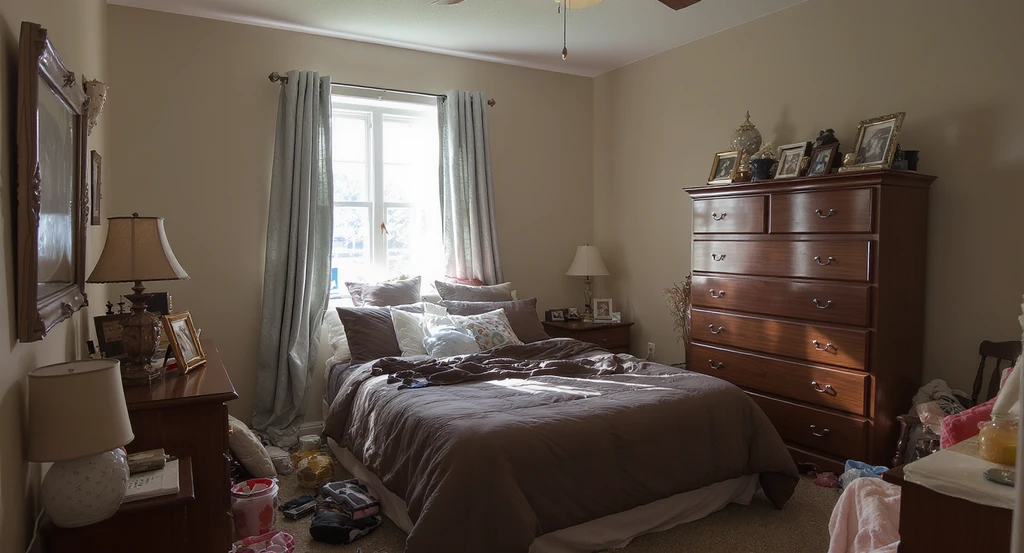
Common furniture layout mistakes—such as oversized pieces and poor use of space—make small bedrooms feel crowded. Visualizing small bedroom furniture layout with aphantasia or planning furniture without strong visualization skills is easier by focusing on functional arrangement, avoiding these missteps, and using step by step small bedroom layout strategies tailored for non-visual thinkers.
Small bedrooms aren’t inherently problematic; poor furniture decisions are usually to blame for discomfort. Most tight bedrooms feel crowded due to layout missteps, oversized or ill-proportioned pieces, and underused vertical space rather than room size alone. The right approach focused on clearance, scale, and functionality can make any compact space feel calm and roomy. If your bedroom feels pinched despite minimal furnishings, the culprit may be lurking in these common furniture mistakes.
-
What Is Actually Happening in Small Bedrooms
Small bedrooms often feel cramped not because of their physical size, but due to the presence of furniture that disrupts natural pathways, blocks light, or visually dominates the space. Poor layout planning can create functional friction like blocked doors and inhibited storage access that amplifies the perception of confinement. This feeling is intensified when vertical space and natural light are ignored.
-
Why Homeowners Misjudge Furniture Decisions
A common misconception is that fitting essentials bed, nightstands, storage automatically ensures comfort. In reality, buying furniture before analyzing layout creates problems. People also underestimate the impact of furniture proportions and door swing zones, which our research on maximizing storage in a 10x10 bedroom highlights. Overlooking scale and placement often causes a room to feel more restricted than necessary.
-
REimagineHome AI: Intelligent Space Planning Insights
To avoid making your room feel smaller, use the following decision structure:
1. Measure First: Map your room, including door and closet clearance zones. 2. Establish Pathways: Ensure at least 18–24 inches of walk space around the bed and major furniture. 3. Scale Selection: Prioritize low-profile beds, slim nightstands, and wall-mounted lighting. 4. Leverage Vertical Storage: Choose tall, narrow pieces instead of multiples that crowd the floor. 5. Light Management: Keep windows clear of bulky furniture and consider lighter finishes. 6. Test Before Buying: Visualize prospective layouts using tools like REimagineHome AI, as explored in our guide to small bedroom comfort. -
Small Bedroom Furniture Mistakes and Practical Fixes
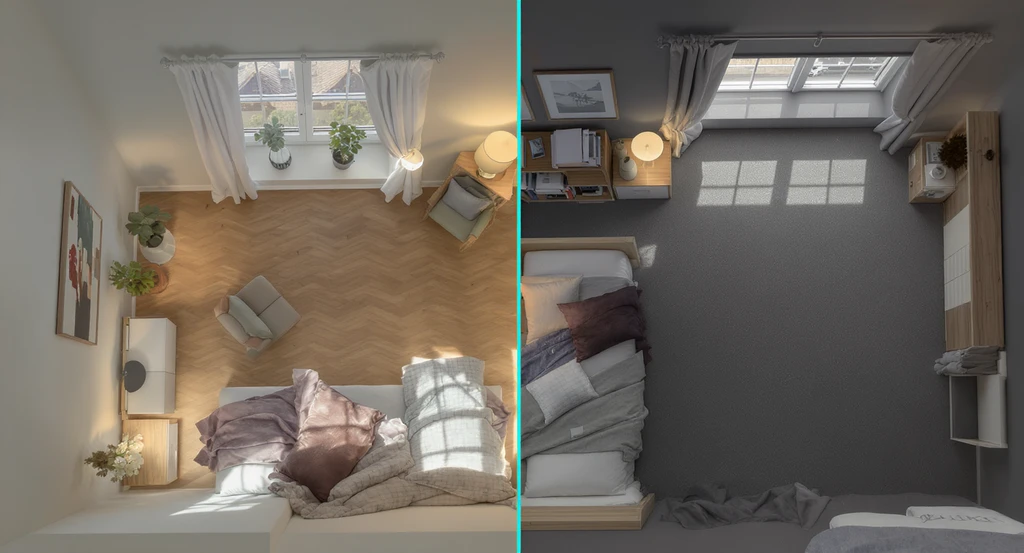
Visualizing small bedroom furniture layout with aphantasia: split-view reveals how to plan bedroom furniture without visualization by comparing common mistakes, tools for visualizing furniture arrangement, and step by step small bedroom layout strategies.
1. Choosing an Oversized Bed Without Measuring Clearance: Beds that leave less than 18 inches of side clearance box in the space. Always measure the total bed frame, not just the mattress, and confirm at least an 18–24 inch pathway.
2. Using Bulky Bed Frames with Thick Headboards: Bulky designs visually and physically tighten the space. Opt for slim platform or low-profile frames.
3. Oversized Nightstands: Wide nightstands reduce movement and access. Choose 10–14 inch slim nightstands or wall-mounted shelves, as advised in our small bedroom storage guide.
4. Pushing All Furniture Against the Walls: This can create a dead zone in the center and make layouts awkward. Instead, float furniture as needed to prioritize flow.
5. Adding Too Many Storage Pieces: Redundant storage clutters small rooms. Use multi-functional furniture and vertical wardrobes.
6. Ignoring Vertical Space: Without tall or wall-mounted storage, visual compression results. Go upward—not outward.
7. Choosing Dark, Heavy Furniture Colors: Dark tones absorb light, shrinking perceived space. Balance with light finishes and minimal contrast.
8. Blocking Natural Light with Furniture Placement: Keep windows and major light sources clear of tall furniture.
9. Forgetting About Door Swing and Closet Clearance: Plan layouts to ensure all doors can open fully and access remains unobstructed.
10. Buying Furniture Before Planning the Layout: Always plan your furniture layout—visually or on paper—before purchasing any major pieces. -
Definition: Spatial Friction in Small Bedrooms
Spatial friction arises when furniture placement interferes with natural room functions, such as walking, opening doors, or accessing storage. In most cases, homeowners misinterpret a cramped feeling as a space shortfall, but it actually results from conflicting paths, blocked views, and overscaled pieces. Reducing friction involves reassessing scale, flow, and room usage, as detailed in our small bedroom design trends analysis.
-
Trade-Offs and Small vs. Large Space Differences
In a large bedroom, traditional furniture sizing and symmetrical arrangements work because there is surplus clearance. In contrast, small spaces require prioritizing pathways, visual air, and height over traditional setups. For example, a bench at the foot of the bed or deep dressers may work in spacious rooms but create movement barriers in compact layouts. Accept that certain comforts must be scaled to fit the room, as comfort comes from proportion— not just furniture quantity.
-
Step-Based Evaluation for Small Bedroom Furniture Decisions
1. Measure room and include door/closet swing areas.
2. Draft a scaled layout, assessing clearance for each furniture piece.
3. Prioritize circulation paths—at least 18–24 inches.
4. Test vertical versus horizontal storage options.
5. Align light sources and avoid blocking natural light.
6. Visualize possible arrangements using AI-powered tools such as REimagineHome AI before finalizing purchases. According to our analysis of flexible small bedroom setups, previewing layouts before committing cuts down returns and regret. -
How Visualization Changes Small Bedroom Outcomes
Before visualization, small bedroom decisions are plagued by uncertainty—Will it fit? Will it feel smaller? Will I regret this choice? Once you preview layouts using REimagineHome AI, you can test arrangements, compare style impacts, and anticipate spatial friction. Visualization reduces regret, accelerates confident decisions, and ensures furniture fits comfortably before investing. As we explored in our 2025 comfort guide, seeing potential outcomes can transform both satisfaction and resale value.
-
Unexpected Insight: Pathways Matter More Than Surface Area
In small bedrooms, the actual sensation of spaciousness comes more from unobstructed pathways and clear lines of sight than from the total square footage or even the number of storage pieces. A single narrow dresser, when correctly placed, can feel more spacious than a wider piece that disrupts circulation. As noted in our storage maximization guide, functional comfort comes from thoughtful negative space, not just filled corners.
Small Bedroom Furniture Mistakes: FAQs
A: The most common mistake is buying an oversized bed or multiple bulky pieces without planning pathways or measuring required clearances. Visual planning helps avoid this.
Q: How can I maximize storage in a small bedroom without crowding it?
A: Use tall, narrow wardrobes, multifunctional furniture, and wall-mounted storage. For more, see our storage innovation guide.
Q: Are dark furniture finishes always a mistake in small rooms?
A: Not always. Dark finishes can work if balanced with lighter walls and minimal contrast. Proportion and placement are more important.
Q: Will previewing my bedroom design with visualization tools really prevent regret?
A: Yes—visualization lets you test layouts, spot problems, and improve purchase confidence before committing. This reduces the risk of regret, as discussed in our 2025 bedroom comfort article.
Q: Should I get rid of all furniture and start over in a small bedroom?
A: Not necessarily. Start by measuring, removing the least functional pieces, and rethinking layout. Focus on circulation and storage first, then layer in comfort features.
Key Takeaways: Fitting Better, Not Just Fitting More
A well-planned small bedroom should feel open, functional, and calm—regardless of its dimensions. The core difference is intentional furniture selection, clear circulation paths, and scaled pieces that support light and air. Use the REimagineHome AI Small Bedroom Spatial Assessment Model to avoid classic pitfalls, and visualize every proposed arrangement before buying. The goal isn’t to squeeze in more—it’s to make every piece earn its place without sacrificing comfort or style.