5 Transitional Room Layout Mistakes That Disrupt Balance and Flow
TL;DR
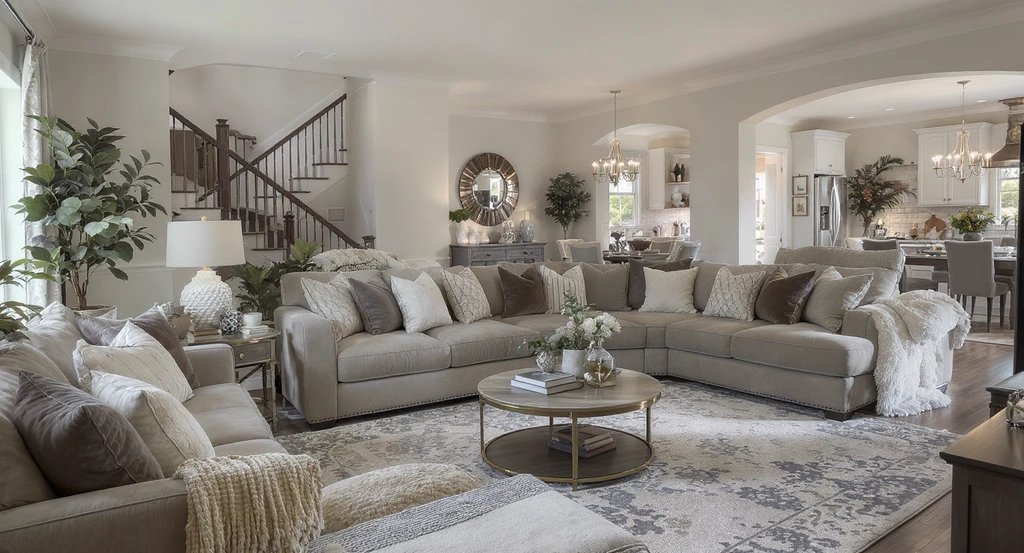
Mixing classic architecture with modern utility creates opportunity, but common mistakes around lighting, zoning, and clutter can hide a room’s true elegance. These steps improve both function and relaxation for any transitional layout.
Why Transitional Rooms Lose Their Appeal
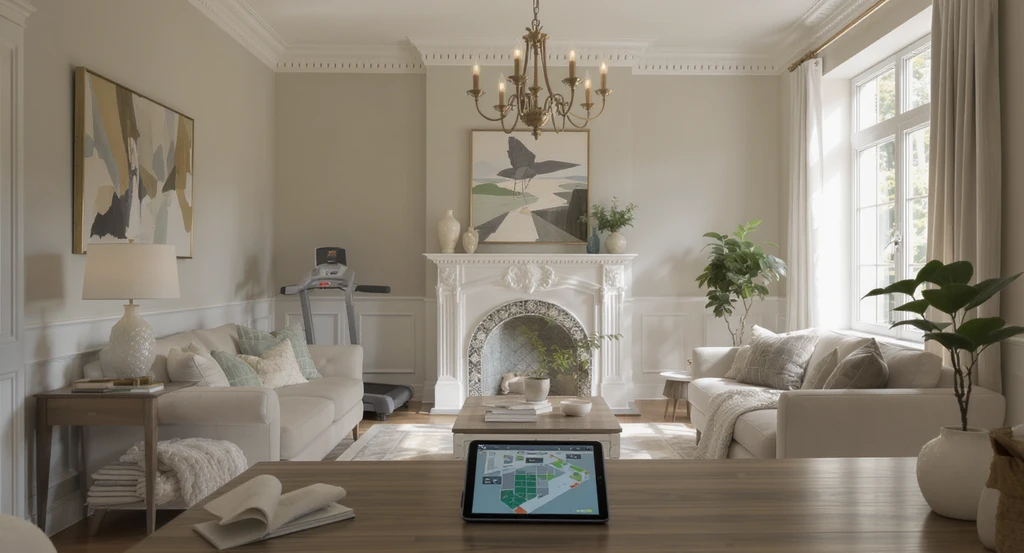
AI tools for transitional room layout help solve common balance and flow mistakes. Discover best practices for ai room visualization and creating furniture layout tables with ai for improved spatial planning in homes.
Transitional rooms blend traditional architecture with modern function, think ornate molding alongside a treadmill or a sleek desk under a vintage chandelier. While this flexibility is a major benefit, it’s easy for the best features to get muddled by common layout mistakes, leading to rooms that feel cramped, cluttered, or visually imbalanced. Too often, advice stops at adding decor, missing how these moves affect comfort, circulation, or focus. This article spotlights the top five practical layout mistakes in transitional rooms, using clear rules and easy-to-scan measurement guides, plus a real look at how AI visualization tools support planning and refinement before you rearrange a single piece.
-
01. Merging Work Zones with Relaxation Spaces
01. Merging Work Zones with Relaxation Spaces Image
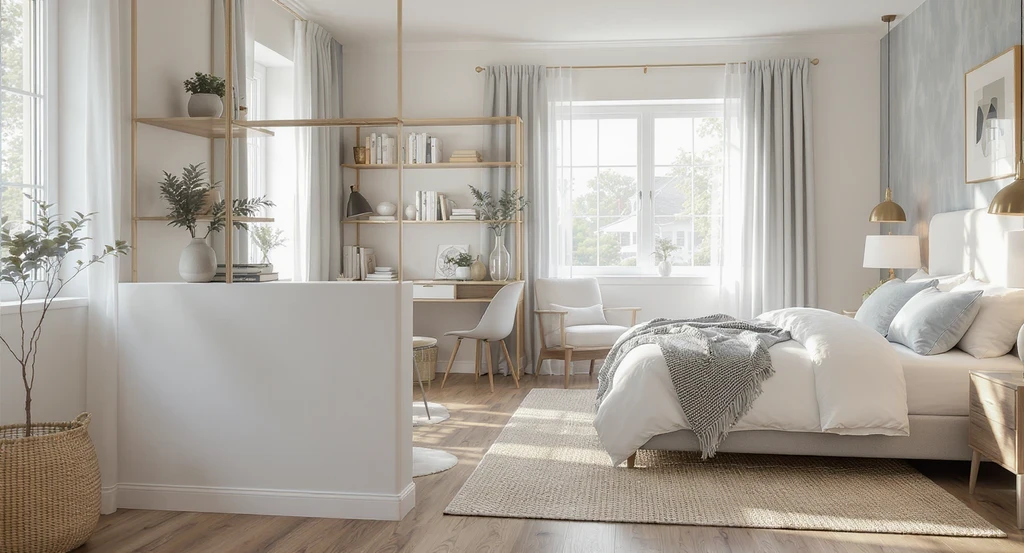
Blending workstations or gym gear with areas meant for rest is a common mistake in transitional layouts. This typically occurs in multipurpose bedrooms or living rooms, where limited square footage or convenient plug points tempt people to mix zones instead of separating them.
The result is a constant mental association with tasks, making relaxation difficult. The correction is to introduce a visual divider, this could be a low bookshelf, a folding screen, or even a well-placed curtain. Allow 2–3 feet of space as a buffer between your desk or equipment and your bed or sofa. This separation creates restful focus and streamlines circulation, an approach that supports both mental clarity and sleep quality. For further insights on planning zones and maintaining order, learn more about zoning in our room-by-room flow guide.
-
02. Using Intense Warm Lighting That Shrinks the Room
02. Using Intense Warm Lighting That Shrinks the Room Image
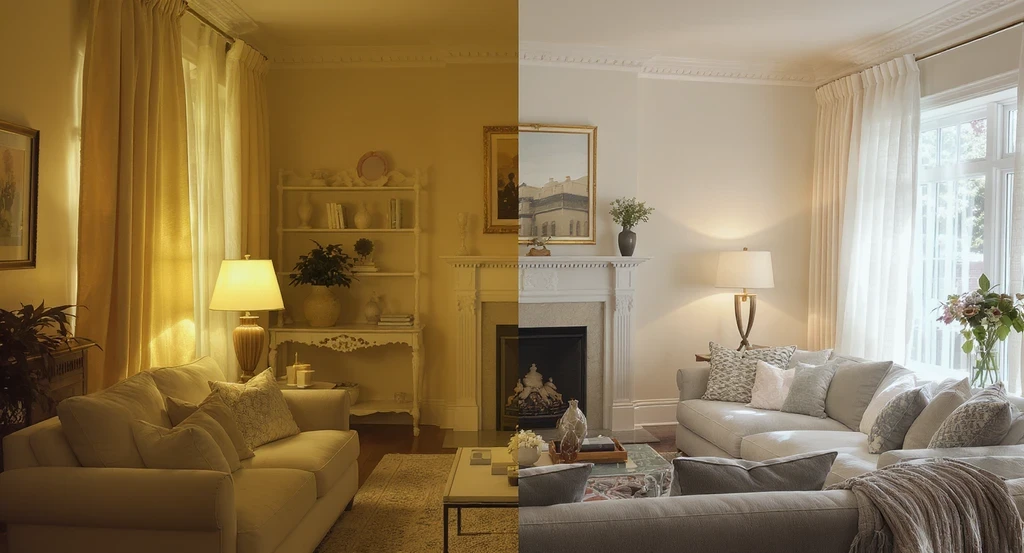
Transitional spaces often retain old yellow bulbs and heavy curtains, giving rooms a dated, enclosed feeling regardless of architectural grandeur. This usually happens when fixtures are inherited or privacy is prioritized over daylighting.
To correct, replace warm (2200–2700K) bulbs with daylight or soft neutral white (2700–5000K) LEDs, and use sheer or light-filtering curtains. For balanced illumination, stagger light sources at ceiling, wall, and table heights. This modernizes even classic rooms, making them feel open and cohesive. As discussed in our guide on improving living spaces with AI design tools, simulating lighting scenarios before changing fixtures helps select the right color temperature and placement for your needs.
-
03. Ignoring Clutter and Inconsistent Storage
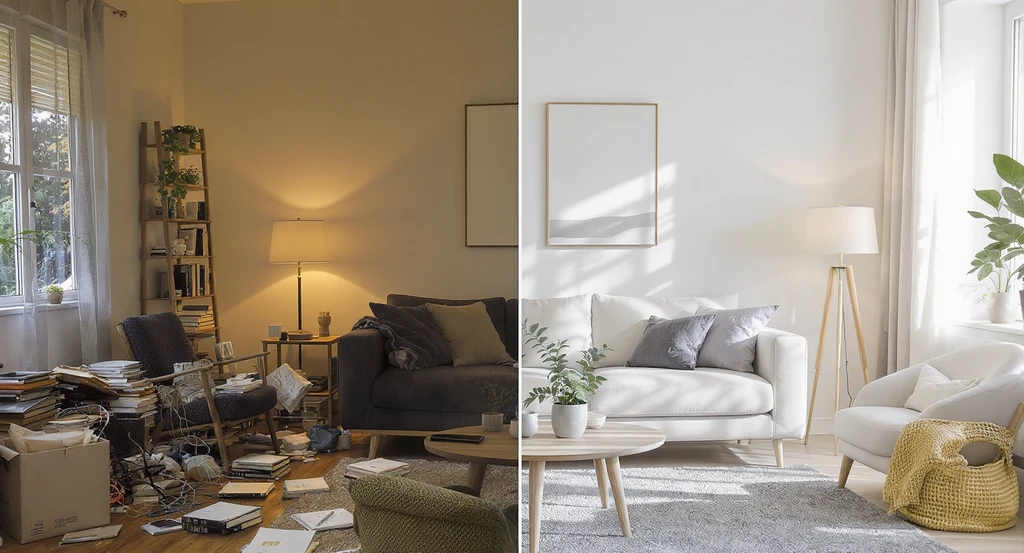
03. Ignoring Clutter and Inconsistent Storage Image
Without planned storage, transitional rooms can quickly look chaotic as gym racks, tech, and daily essentials crowd out architectural strengths like crown molding or a unique window.
Correct this with a simple decluttering framework: keep only one functional or decorative item per surface, use closed storage in finishes echoing classic features, and minimize open shelving to a few key items that repeat your chosen accent color or texture. Relocating work or fitness equipment (if possible) clears visual lines, enhancing comfort and style. According to our advice on balancing tight spaces through smart curation, clear boundaries and purposeful storage allow both styles to shine without distraction.
-
04. Poor Scaling of Furniture and Equipment
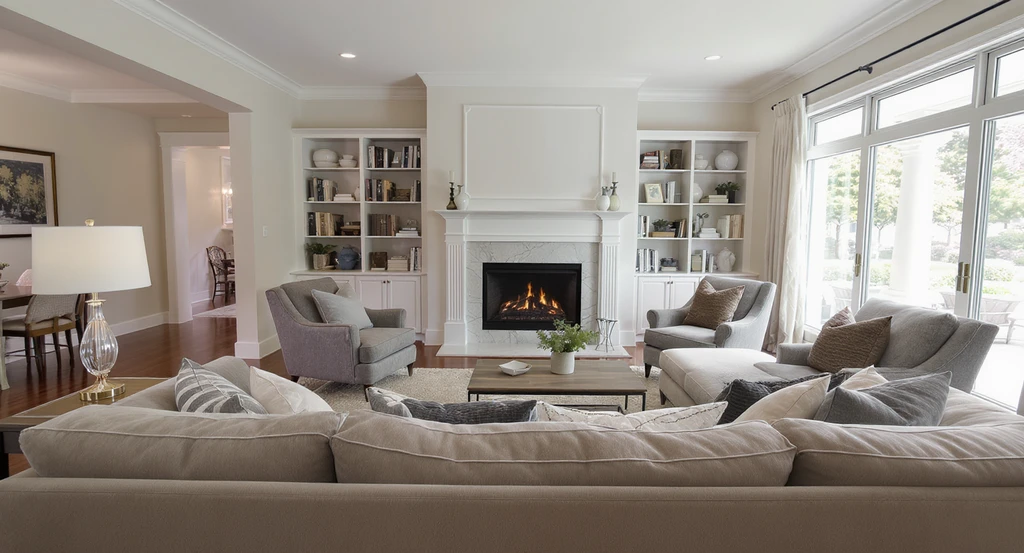
04. Poor Scaling of Furniture and Equipment Image
Oversized beds, large sofas, or too many accent tables break balance and restrict walkways. This often results from measuring by eye, not rule, or adding inherited items without considering their effect on flow.
Use a scaling principle: the largest piece should not exceed about 60% of the wall it sits against. Walkways need at least 30 inches clear for safe and comfortable movement. Limit floating furniture to those that fit naturally between key architectural points like windows and doors. Previewing these adjustments using a visualization tool helps avoid sizing regrets, see recommendations in our sofa size and layout fitting guide for measurable standards.
-
05. Overlooking Texture and Layering for Comfort
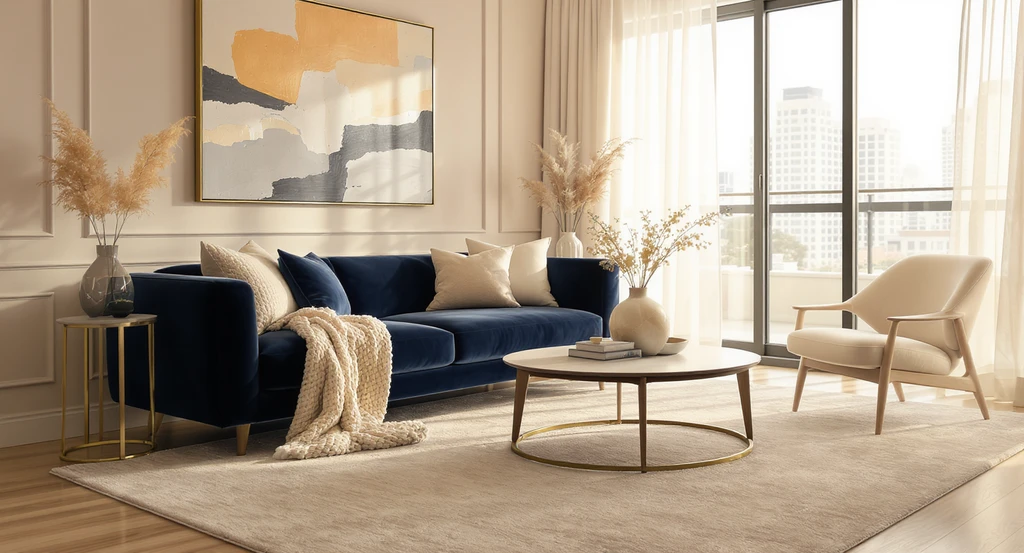
05. Overlooking Texture and Layering for Comfort Image
Often, the need for functional furniture means textiles get neglected, leaving transitional spaces cold or visually unfinished. Simply adding pillows or throws isn’t enough without considering spatial principles.
Focus on large, soft surfaces, like a rug that extends at least 12–18 inches beyond any seating edge or curtains that run floor-to-ceiling. These anchor furniture groups, soften architectural lines, improve acoustics, and help zone open-plan layouts. Repeating accent textures or colors three times within the space (such as rug, throw, and window treatment) offers visual cohesion. This approach not only raises comfort but unifies traditional and modern features through smart spatial layering.
-
Summary Table: Transitional Room Layout Rules
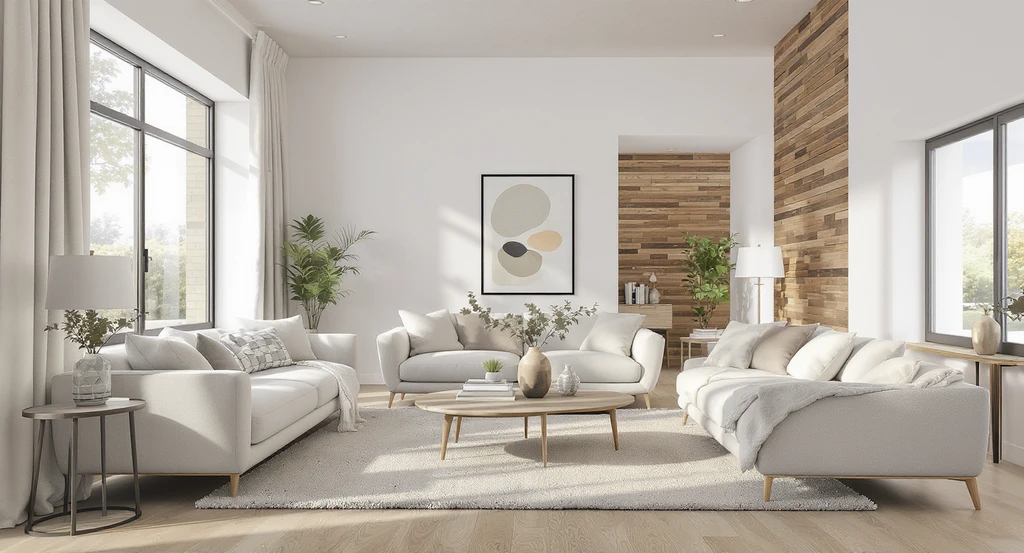
Summary Table: Transitional Room Layout Rules Image
Layout Element Recommended Rule Work/relaxation buffer Maintain 2–3 ft separation Main walkways Minimum 30 inches clearance Primary furniture scaling About 60% of wall width Rug extension 12–18 inches beyond seating Lighting temperature 2700K–5000K, task-dependent -
How AI Tools Improve Spatial Planning in Transitional Rooms

How AI Tools Improve Spatial Planning in Transitional Rooms Image
AI interior design platforms allow you to upload a current photo and preview furniture placement, rug sizing, lighting changes, or new zoning ideas before making physical changes. This helps you:
- Test if a console table will fit behind a floating sofa
- Check if a bed or sectional overwhelms the room’s width
- Preview light and shadow patterns at different times of day
- Experiment with dividing work and sleep zones visually
Using AI room visualization tools, such as REimagineHome AI, makes it much easier to examine scaling, separation, and balance. You’ll reduce rearranging errors, lower costly purchase mistakes, and see real-world impacts of each change, an advantage we detail in our AI interior design explainer.
Frequently Asked Questions
- How do I update an older room without removing its traditional character?
- Preserve signature features like molding or chandelier, refresh color and spacing. See more in our detailed flow guide.
- What lighting temperature is best for transitional bedrooms?
- Daytime: daylight (4000–5000K); evening: soft white (2700–3000K). For use by activity, check our AI lighting solutions overview.
- Can I use vintage furniture with modern gear?
- Yes—balance the ratio (e.g., 70/30 blend) and repeat at least one color or material. Mixing tips are in our style-balancing advice.
- How do I check if my furniture scale is right?
- Primary pieces (like beds, sofas) should use about 60% of the wall width. For walkways, keep 30 inches clear—supported by our measurement guide.
- How do I prevent clutter from returning?
- Use closed storage, curate display surfaces, and follow a weekly declutter habit. More decluttering frameworks are explained in our guide on layout and curation.
Making Transitional Design Work for Real Life
Transitional rooms feel best when there’s clear boundary between zones, balanced light, right-scaled furniture, soft but intentional texture, and clutter is under control. Use separation, adjust your lighting, rely on measurable rules, and check your changes virtually to keep the space both classic and modern, comfortable for every purpose. When in doubt, a quick AI visualization can show you how your layout will work before rearranging.